Key Takeaways
|
In any workplace, the way people communicate shapes how ideas grow and decisions are made. A project update delivered with clarity, a manager guiding a team discussion, or a professional meeting with clients all depend on more than technical expertise. Progress comes from expressing thoughts with precision, listening closely, and creating shared understanding that allows collaboration to move forward.
In a multicultural and fast-paced environment, these skills are not optional. They influence trust, shape relationships, and open doors to professional growth.
A communication skills course provides a structured way to strengthen these abilities. Learners practise techniques that make daily interactions clearer and more impactful, from handling team discussions to delivering formal presentations. With many providers offering courses across Singapore, the question becomes how to choose one that matches personal goals.
In this guide, we will explore the benefits of training, review respected providers, and outline what to expect when enrolling, so you can take the next step towards more confident and effective communication.
What is a Communication Skills Course
A communication skills course helps individuals refine their ability to exchange ideas effectively in both professional and personal settings. Beyond speaking clearly, participants learn to listen actively, read non-verbal cues, and adjust their style for different audiences. Courses typically blend theory with practice, allowing learners to role-play, deliver presentations, and participate in discussions that reflect real-world workplace situations.
In Singapore’s multicultural environment, these skills carry particular weight. Professionals often work with colleagues, clients, and partners from diverse backgrounds, each bringing a distinct communication style. A structured programme equips learners to bridge these differences with confidence, reducing the risk of misunderstandings and building stronger relationships.
The focus of a course may range from public speaking and presentation delivery to negotiation, written communication, or everyday interpersonal dialogue. Many providers also customise their programmes for specific industries, ensuring lessons can be applied directly in the workplace. In this way, a communication skills course becomes more than a training session. It presents an opportunity to develop habits that foster collaboration, enhance leadership, and support long-term career growth.
Benefits of Taking a Communication Skills Course in Singapore
Enrolling in a communication skills course brings advantages that extend well beyond the classroom. The lessons are designed to be practical, giving both professionals and students tools they can apply immediately in everyday interactions. Some of the most meaningful benefits include:
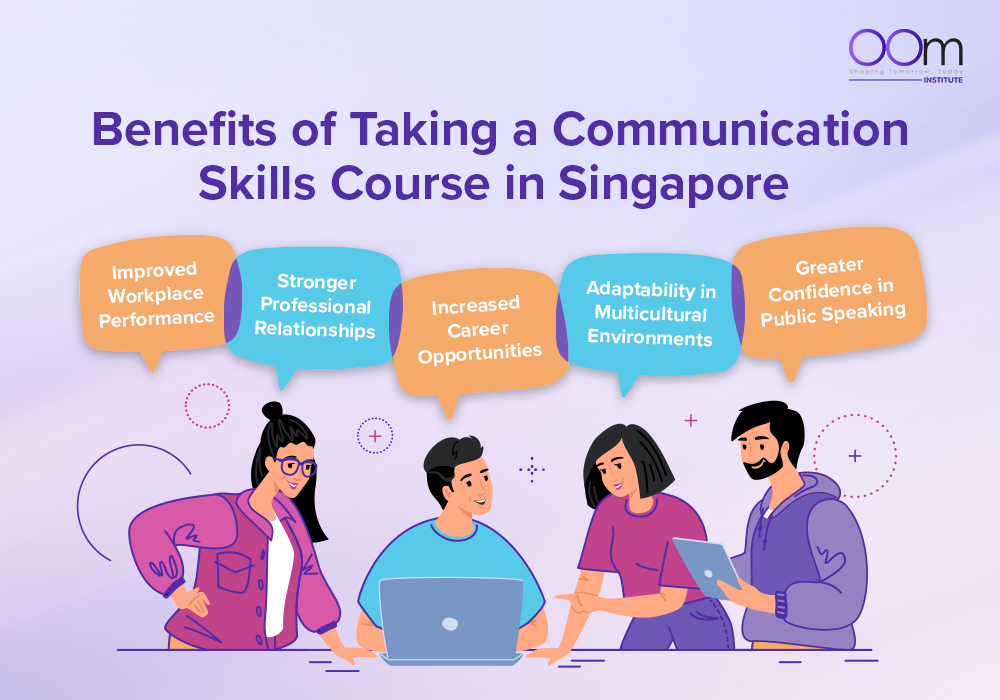
- Improved workplace performance: Clearer communication reduces misunderstandings, prevents errors, and keeps collaboration on track. Teams that share ideas effectively often complete projects more efficiently and with less conflict.
- Stronger professional relationships: Active listening and thoughtful responses help individuals build rapport with colleagues, clients, and stakeholders. These skills create trust and foster more productive working relationships.
- Increased career opportunities: Employees who present ideas with confidence are often considered for leadership roles and advancement. Strong communication can set candidates apart in competitive job markets.
- Adaptability in multicultural environments: In Singapore’s diverse workplace, adjusting tone, language, and style for different cultural contexts is a vital skill. Courses provide the awareness and strategies needed to communicate effectively across cultures.
- Greater confidence in public speaking and presentations: Structured practice in front of an audience enables learners to manage their nerves, refine their delivery, and speak with greater clarity, whether addressing small groups or large gatherings.
These benefits explain why many people are turning to communication training for structured programmes that sharpen essential skills and support long-term professional growth
5 Best Communication Skills Courses in Singapore
Singapore offers no shortage of training options, but the most valuable programmes share common qualities: structured content, experienced trainers, and practical lessons that translate directly into the workplace. For learners exploring a communication skills course in Singapore, the following five providers stand out for their reputation and approach to building lasting communication skills.
A. OOm Institute
OOm Institute offers the WSQ Mastering Workplace Communications – Key Communication Skills for Success programme, a course designed to strengthen clarity, adaptability, and confidence in professional interactions. Participants explore communication benchmarks, engagement techniques, and structured planning methods, combining theory with practice through interactive activities. With SkillsFuture and PSEA funding support available, the programme is accessible to professionals at different stages of their careers, making it a practical choice for anyone aiming to sharpen workplace communication.
Course Provider | OOm Institute |
Course Name | WSQ Mastering Workplace Communications – Key Communication Skills for Success |
Course Duration | 2 days |
Course Fee (before subsidy) | S$888 |
Course Fee (after subsidy) | From S$266.40 (with SkillsFuture/PSEA support) |
Course Page | https://www.oom.com.sg/institute/wsq-courses/soft-skills-courses/wsq-mastering-workplace-communications-key-communication-skills-for-success/ |
Best For | Professionals in executive or supervisory roles who want practical communication tools supported by government-funded subsidies. |
B. Singapore Institute of Management
The Singapore Institute of Management delivers the Communicate Effectively – With Confidence and Clarity programme, designed to strengthen both verbal and non-verbal communication. Participants work on pronunciation, stage presence, and presentation planning, with guided practice to reinforce learning. Suitable for professionals at different stages, from administrative staff to new managers, the course is led by experienced trainers who focus on applying techniques in real workplace contexts.
Course Provider | Singapore Institute of Management |
Course Name | Communicate Effectively – With Confidence and Clarity |
Course Duration | 2 days |
Course Fee | Member: S$638.74 (incl. GST) / Non-member: S$797.88 (incl. GST) |
Course Page | https://www.sim.edu.sg/professional-development/courses/course-listing/communicate-effectively-%E2%80%93-with-confidence-and-clarity |
Best For | Professionals and managers seeking to improve presentation skills, pronunciation, and workplace communication effectiveness. |
C. Singapore Institute of Technology
The Effective Leadership Communication course at the Singapore Institute of Technology is designed to equip first-time leaders and professionals with the tools necessary for effective and impactful communication. The curriculum emphasises building trust, fostering alignment, and promoting accountability through structured leadership conversations. Participants learn to apply conversational frameworks, manage non-verbal cues, and create psychological safety within teams. With substantial SkillsFuture funding support, the programme is accessible to Singapore citizens and residents seeking to strengthen their leadership communication skills.
Course Provider | Singapore Institute of Technology |
Course Name | Effective Leadership Communication |
Course Duration | 2 days |
Course Fee (before subsidy) | S$2,180 |
Course Fee (after subsidy) | From S$254 (for eligible Singapore Citizens aged 40 & above) |
Course Page | https://www.singaporetech.edu.sg/sitlearn/courses/business-communication-design/effective-leadership-communication |
Best For | Professionals and managers aiming to strengthen presentation delivery, refine pronunciation, and enhance workplace communication skills. |
D. British Council
The British Council in Singapore conducts a wide range of Spoken Communication Skills Workshops aimed at boosting confidence in workplace interactions. Topics include public speaking, negotiation, intercultural communication, and practical meeting skills. Each workshop is delivered in an interactive format that allows participants to practise real-world scenarios and refine their communication style. The programmes are UTAP claimable, making them more affordable for NTUC members seeking targeted skill development.
Course Provider | British Council Singapore |
Course Name | Spoken Communication Skills Workshops |
Course Duration | 1 day (per workshop) |
Course Fee | Varies by workshop (UTAP claimable, up to S$500 subsidy) |
Course Page | https://www.britishcouncil.sg/professional-skills/full-day/spoken-communication-skills |
Best For | Professionals looking for focused workshops to build skills in public speaking, effective meetings, negotiation, and intercultural communication. |
E. Knowles Training Institute
The Effective Communication Skills Training Course in Singapore, offered at Knowles Training Institute, is designed to sharpen verbal, non-verbal, and interpersonal communication skills. Participants train in active listening, public speaking, negotiation, conflict resolution, and persuasive communication, while also developing strategies to manage difficult conversations and adapt their style across different professional settings. Delivered over two full days, the programme blends theory with practical exercises to build confidence and effectiveness in the workplace.
Course Provider | Knowles Training Institute |
Course Name | Effective Communication Skills Training Course in Singapore |
Course Duration | 2 full days (9 am to 5 pm) |
Course Fee | SGD 789.97 (2-day course); other options include half-day or one-day formats |
Course Page | https://knowlesti.sg/effective-communication-skills-training-course-in-singapore-2/ |
Best For | Executives, managers, team leaders, entrepreneurs, and professionals aiming to strengthen communication, negotiation, and leadership abilities. |
What to Expect in a Communication Skills Course
Enrolling in a communication skills course typically means entering a learning environment that is interactive, practical, and closely tied to everyday challenges. Instead of focusing only on how to speak well, these programmes combine hands-on activities, role-play, and personalised feedback to help participants build confidence and transfer new skills directly into the workplace and social settings. While each provider shapes its own approach, most courses share a few common elements:
- Interactive workshops and role-plays: Learners participate in workplace simulations, such as team meetings, client presentations, or conflict resolution scenarios. These exercises provide a safe space to practise and refine techniques before applying them in real life.
- Verbal and non-verbal techniques: Courses focus on more than just words. Attention is placed on tone, clarity, and vocabulary, as well as body language, gestures, and facial expressions that can influence how a message is received.
- Active listening strategies: Communication is as much about listening as it is about speaking. Participants develop habits such as attentive listening, asking clarifying questions, and responding in ways that strengthen understanding and relationships.
- Presentation and public speaking practice: Structured opportunities to deliver speeches or presentations help participants manage nerves, improve delivery, and use visual aids effectively.
- Feedback and coaching: Trainers provide targeted, constructive feedback so that learners recognise strengths and work on areas needing improvement, ensuring steady progress throughout the course.
- Practical tools for workplace use: Many programmes introduce frameworks for giving feedback, managing cross-cultural communication, and handling difficult conversations, all designed for direct application in professional settings.
By the end of an effective communication skills course, participants are likely to feel more adaptable, confident, and prepared to handle a wide range of situations. The emphasis is always on real-world practice, ensuring that what is learned translates smoothly into daily interactions.
How to Choose the Right Course for You
With so many training providers in Singapore, selecting the right workplace communication course comes down to striking a balance between your goals, learning preferences, and professional needs. A thoughtful choice ensures that the time and resources invested lead to meaningful, lasting results.
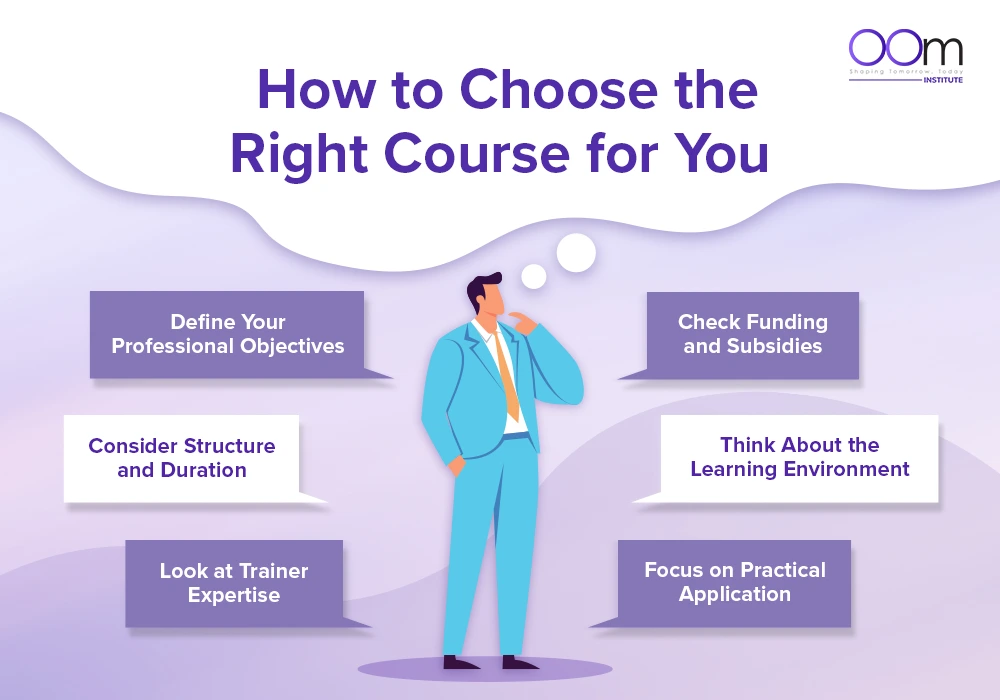
- Your professional objectives: Start by asking what you want to improve. Some learners may wish to build confidence in public speaking, while others might focus on collaboration, negotiation, or day-to-day workplace communication. A course aligned with your career stage will feel more relevant and impactful.
- Course structure and duration: Short workshops can deliver quick, targeted skills, while two-day or multi-session programmes allow for deeper practice and reflection. The right format depends on how much time you can commit and the depth of training you seek.
- Trainer expertise: Trainers with real industry or corporate backgrounds often bring practical insights that textbooks cannot provide. Their experience adds context, making techniques easier to apply in workplace settings.
- Funding and subsidies: Many programmes in Singapore are supported by SkillsFuture, PSEA, or UTAP, making them more affordable. Exploring these options can reduce costs without compromising quality.
- Learning environment: Small-group workshops encourage interaction and personalised feedback, while one-to-one coaching provides tailored attention. Larger classes, on the other hand, can offer broader perspectives but less individual focus.
- Practical application: The most valuable courses go beyond theory, using role-plays, case studies, and workplace scenarios to help participants practise and retain new skills.
By weighing these factors, you can select a programme that matches both your learning style and career aspirations. A well-chosen course does more than teach techniques; it equips you with habits that improve how you connect, collaborate, and lead in the long term.
Enrol in a Workplace Communication Skills Course in Singapore
In Singapore’s fast-paced and multicultural workplace, strong communication has become more than a helpful asset. It is a skill that shapes how teams collaborate, how leaders inspire, and how professionals build trust with clients and colleagues.
An effective communication course provides the structure and guidance to develop these abilities. Participants practise techniques that sharpen listening, improve presentation delivery, and make challenging conversations easier to manage. Beyond technical skills, learners gain the confidence to adapt their communication style to different settings and audiences, building stronger relationships and opening new opportunities throughout their careers.
At OOm Institute, we run programmes that combine interactive workshops with practical coaching, giving learners the chance to apply skills directly to real-world situations. To learn more about our upcoming intakes and how these courses can support your professional growth, contact us today.