Introduction

In today’s competitive digital landscape, ecommerce website design is more important than ever. A well-designed website does more than showcase your products—it builds trust, improves user experience, and drives conversions.
In this article, we’ll explore 25 of the best ecommerce websites and their designs in 2025. These examples span across industries—from fashion and tech to lifestyle and wellness—and embody the latest user experience (UX) trends. We’ll also unpack best practices and actionable tips that you can apply to your own strategies.
What Makes a Great Ecommerce Website Design?

• User-Friendly Navigation
An effective ecommerce web design allows users to browse with ease. Clear menus, searchable categories, and smart filters ensure customers can quickly find the products they’re looking for—reducing frustration and increasing the time spent on site.
• Mobile Responsiveness
With 55% of Singaporeans browsing and buying on their phones daily, your ecommerce website must adapt seamlessly to all screen sizes. A mobile-responsive design enhances usability, prevents layout issues, and supports better engagement across devices.
• Fast Loading Speed
Page speed has a direct impact on user experience and conversion rates. Optimised loading times not only keep visitors from bouncing but also improve your site’s performance on search engines like Google.
• High-Quality Visuals
Product visuals play a vital role in ecommerce. Sharp images, product videos, and lifestyle photos allow users to better understand what they’re buying and build confidence in their purchases.
• Clear CTAs (Call-to-Actions)
Effective CTAs guide users through the buying journey. Whether it’s “Add to Cart” or “Buy Now,” your call-to-actions should be bold, direct, and strategically placed to drive clicks and conversions.
• Trust Signals
Customers are more likely to buy when they feel secure. Elements like product reviews, secure checkout badges, money-back guarantees, and clear return policies help build trust and reduce purchase hesitation, especially for new visitors.
25 Inspiring Ecommerce Website Designs in 2025
Each of the following brands exemplifies strong expertise in ecommerce UX, thoughtful design, and customer-centric innovation.
1. Allbirds

Allbirds is an eco-conscious footwear retailer in Singapore. In line with their mission of “nothing is everything” and commitment to reducing their product carbon footprint, their website features a minimalist layout and clear, sustainability-focused messaging. Its intuitive design also streamlines the user journey, making it easy for customers to explore products.
2. Glossier

Glossier’s ecommerce website reflects the beauty industry’s emphasis on community and visual appeal. Its soft colour palette, generous white space, and lifestyle imagery create an approachable, modern look. Moreover, the incorporation of user-generated content (UGC) and reviews helps the brand build authenticity and encourages engagement, while clear CTAs make browsing and buying effortless.
3. ASOS

ASOS serves a global, diverse audience with a vast catalogue of fashion items, which is why its ecommerce website design centres on accessibility and discoverability. Smart filters, inclusive visuals, and a highly responsive interface allow users to navigate effortlessly across categories and styles.
4. Gymshark
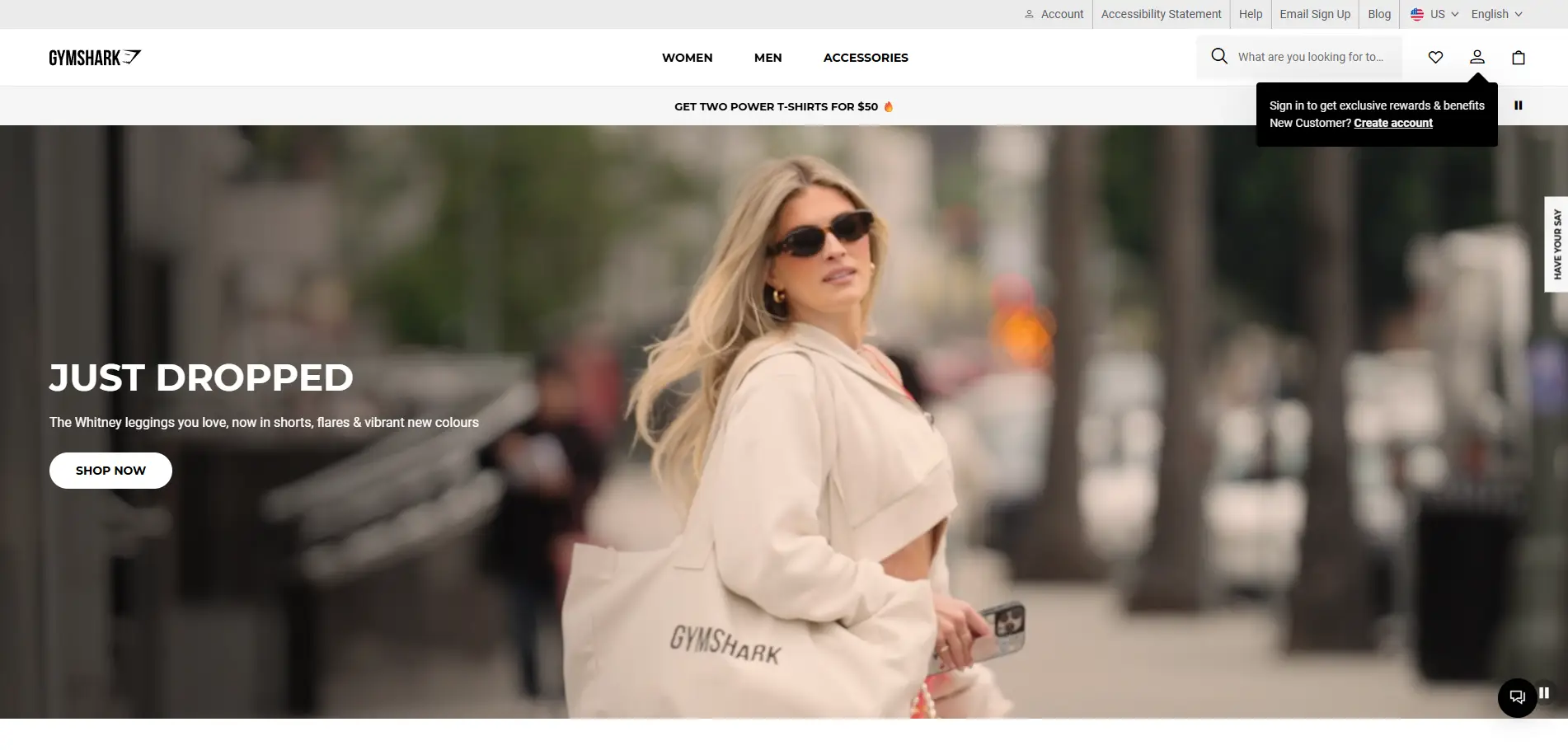
In the fitness space, energy, motivation, and community matter. Gymshark’s ecommerce web design plays into this by integrating bold branding, dynamic visuals, and social proof via influencer features. The interactive product pages—with videos, multiple views, and fit guidance—make it easier for users to visualise performance gear in action.
5. Apple

Apple’s ecommerce website is a masterclass in minimalist yet immersive design. Reflecting the tech industry’s demand for innovation and clarity, it uses clean typography, ample white space, and elegant visuals to highlight the brand’s emphasis on quality. Smooth animations and seamless transitions further enhance UX while preserving the brand’s refined, forward-thinking image.
6. Warby Parker
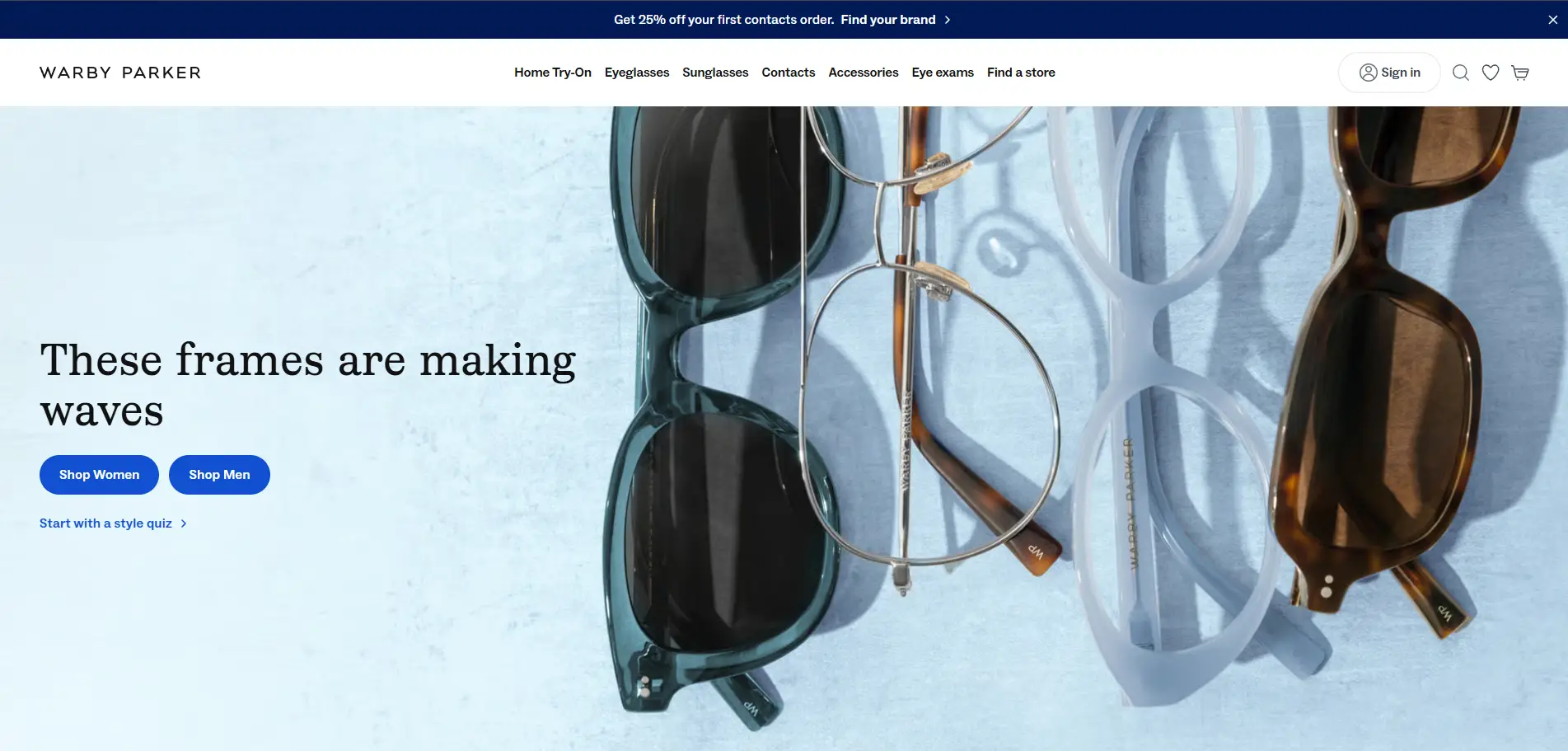
Warby Parker’s website design features a simple, modern layout, clear CTAs, and transparent pricing—all tailored to simplify the eyewear shopping experience. What truly sets the site apart is its virtual try-on feature, which lets users see how different frames look on their face in real time, effectively bridging the gap between online convenience and the in-store experience.
7. MVMT
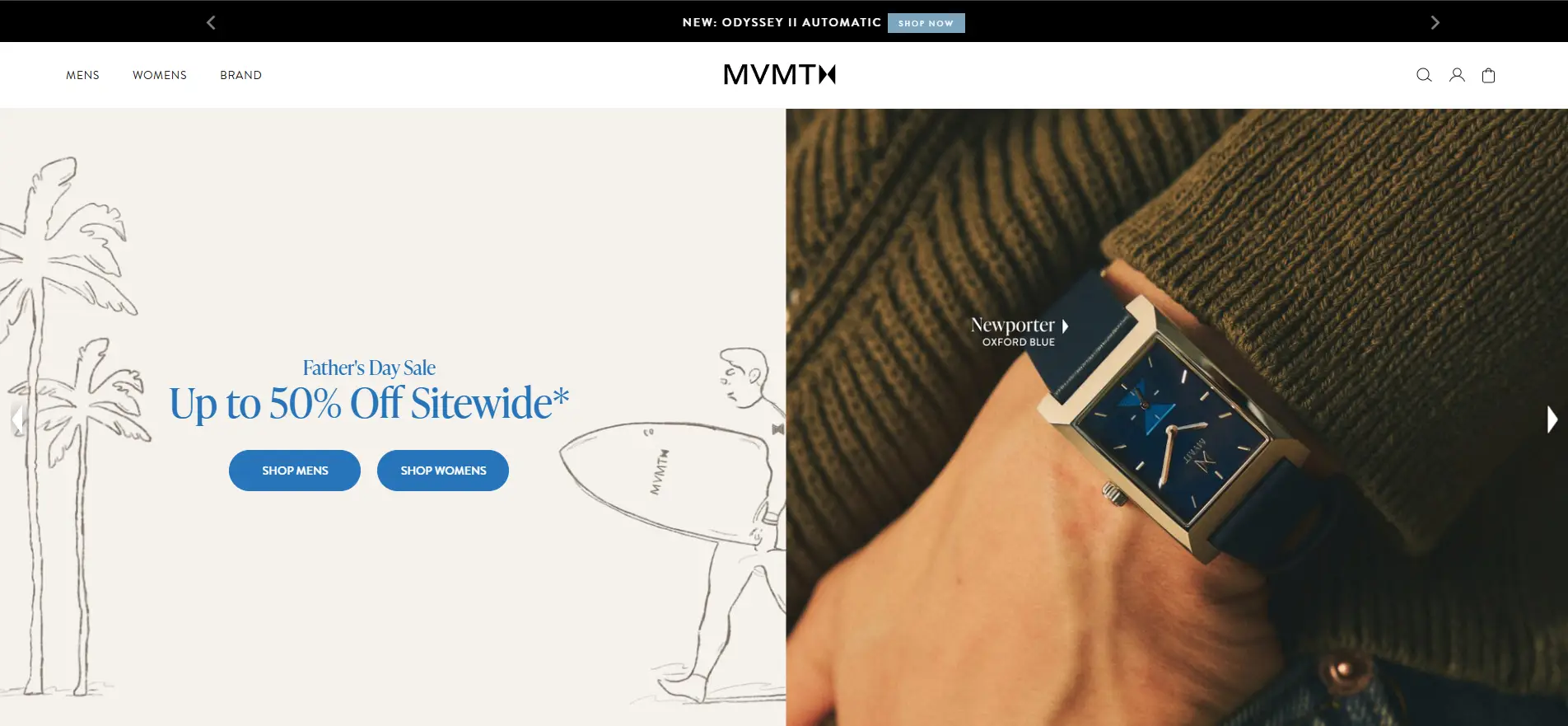
MVMT’s site caters to a digitally native audience that values bold style and affordability. The sleek design uses dark tones, oversized visuals, and striking typography to communicate confidence and sophistication. Consistent branding and smooth transitions across pages enhance the user journey and reinforce the brand’s modern identity.
8. Everlane
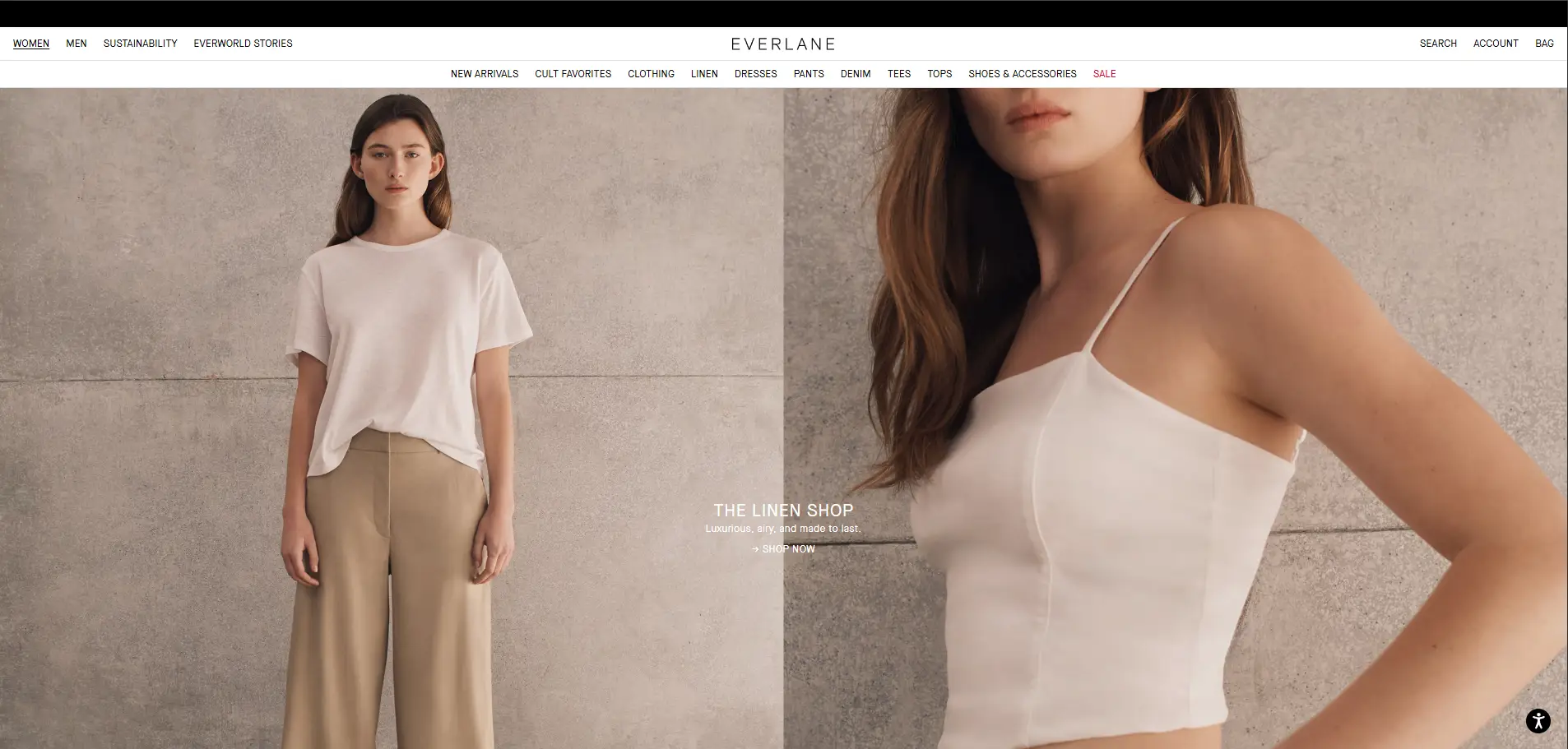
Everlane’s ecommerce website design centres around transparency and ethical fashion. Clean lines, neutral tones, and simple layouts reflect the brand’s minimalist aesthetic. Key features like cost breakdowns, sustainability highlights, and candid product descriptions communicate honesty, appealing to conscious consumers seeking clarity and value.
9. Bose
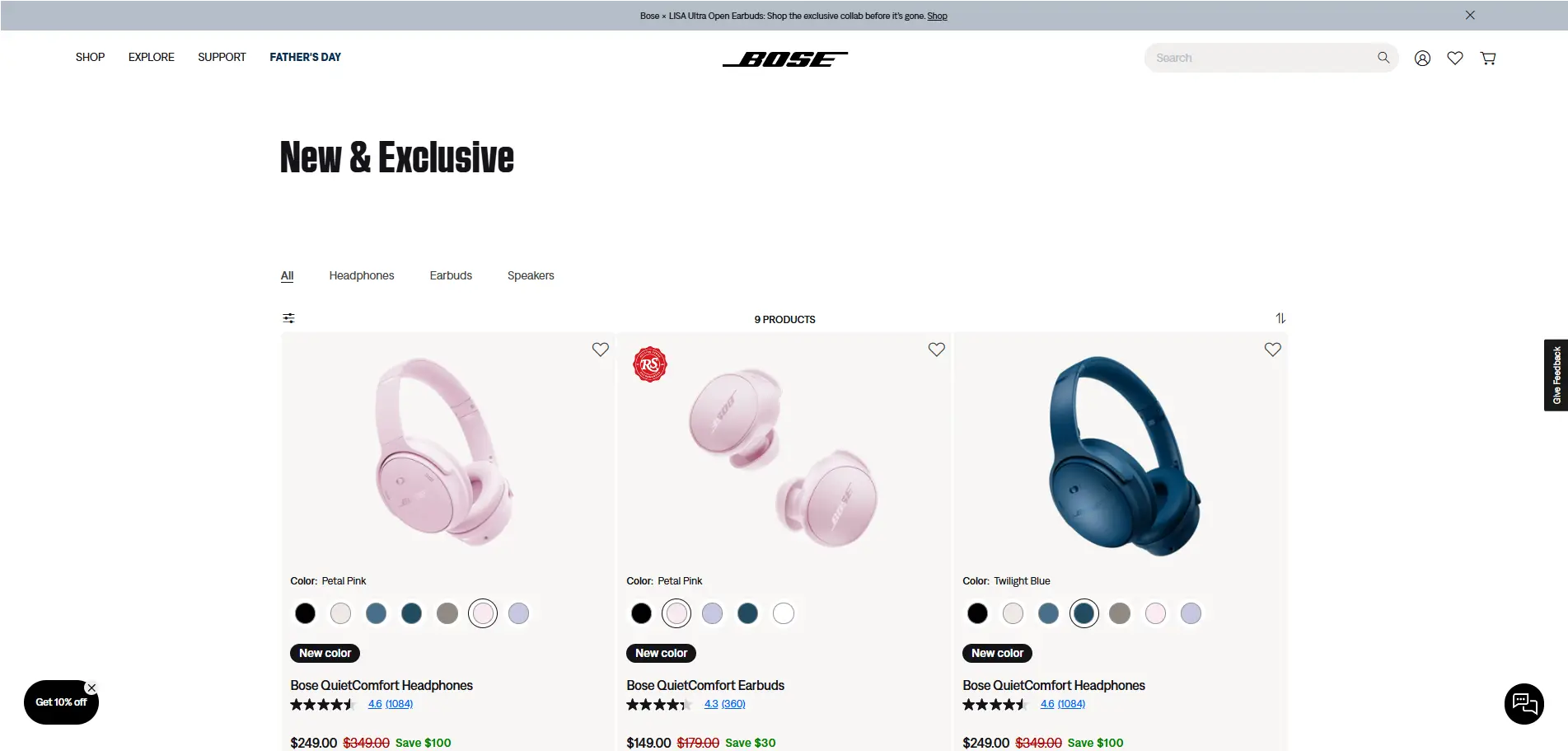
For a tech brand like Bose, performance and precision are essential. As such, the site focuses on product education through interactive demos, detailed specifications, and video integration. The brand maintains a professional look through an artful balance of technical content and attractive visuals—catering to both casual listeners and audiophiles.
10. Blue Apron
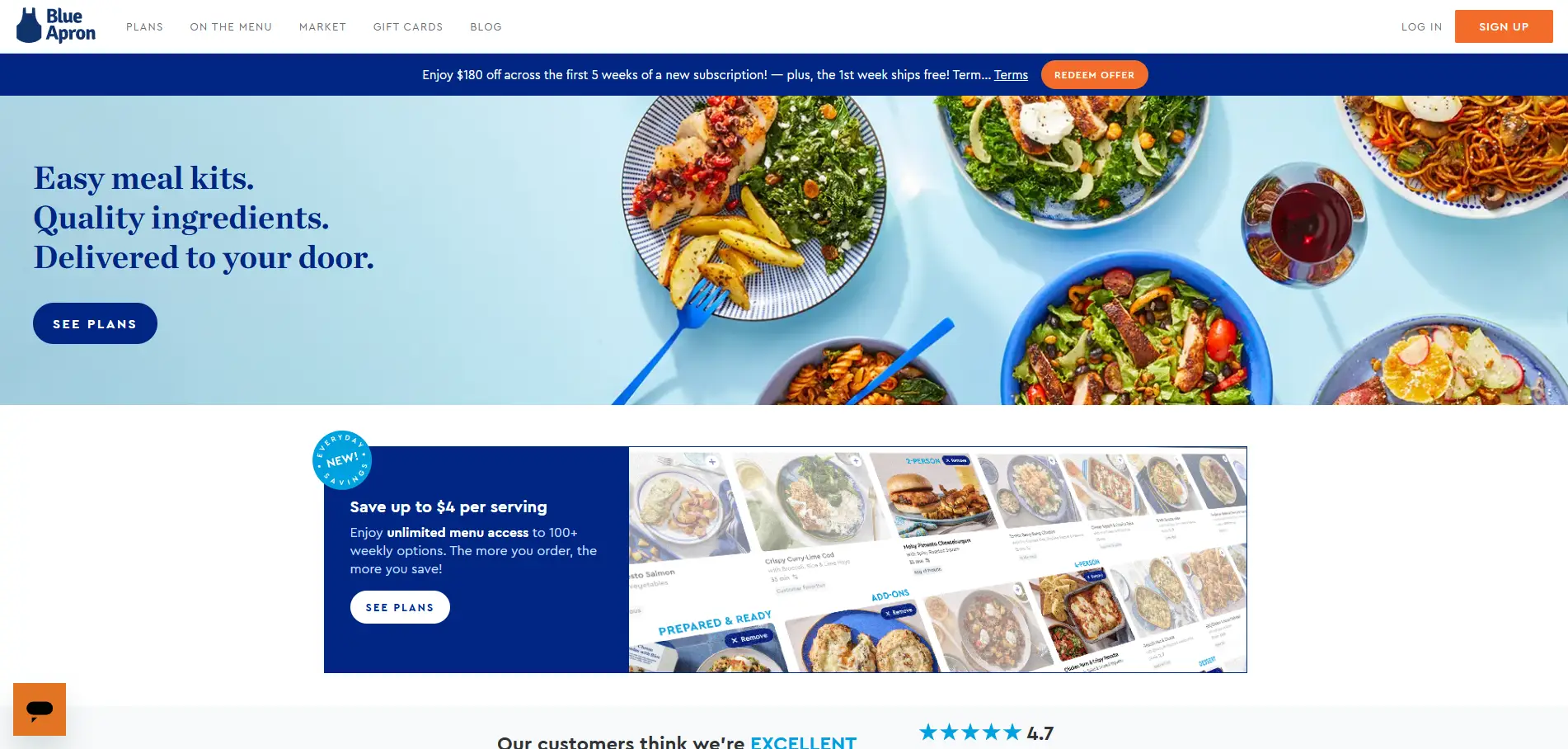
Blue Apron simplifies the often complex process of choosing and preparing meal kits, and its user-friendly website design reflects that mission. Step-by-step visuals, intuitive menu previews, and a streamlined sign-up flow help users navigate the logistics of meal planning with ease. The design builds user confidence while showcasing variety, convenience, and food quality.
11. Crate & Barrel
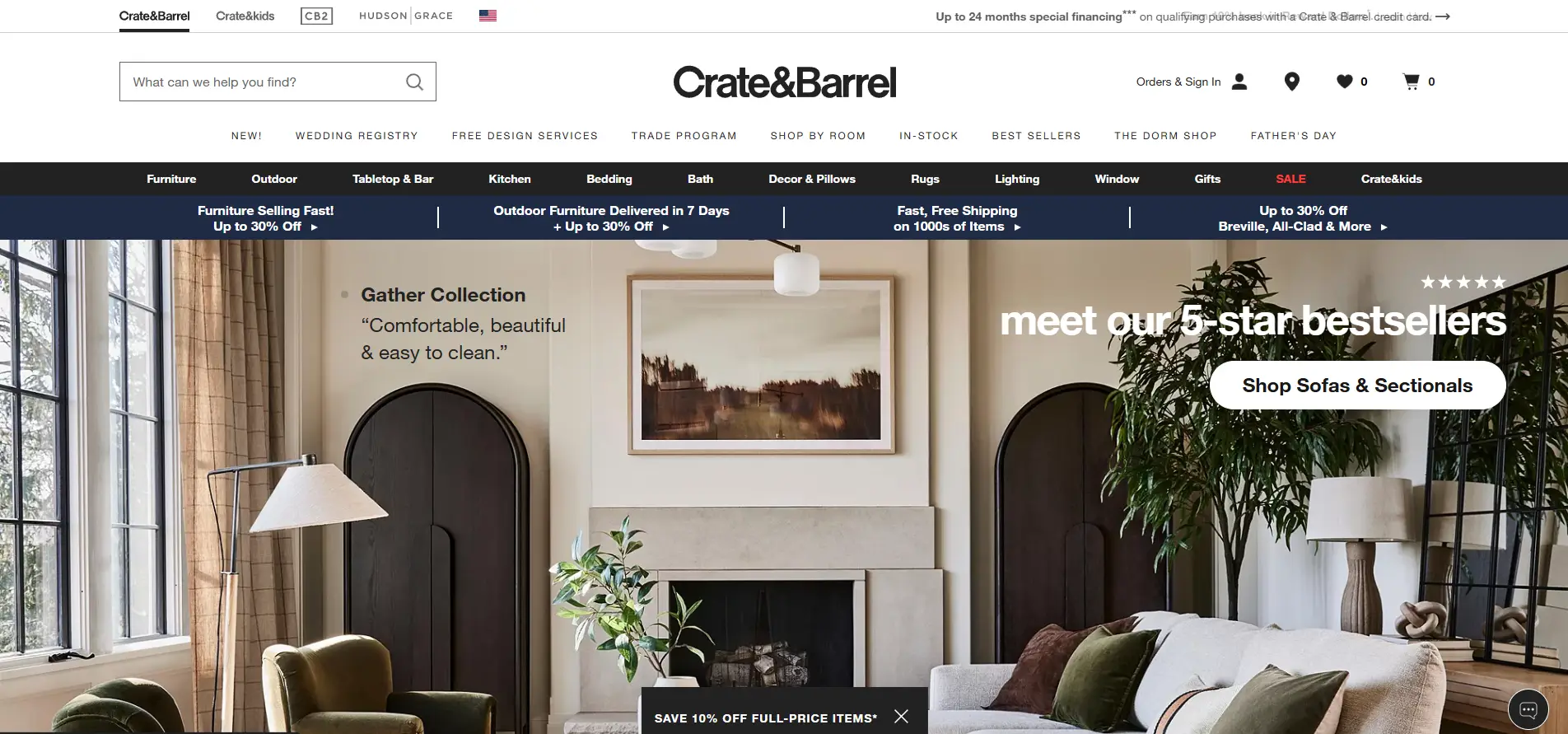
In the furniture industry, helping customers visualise products in real-life settings is key. Crate & Barrel uses aspirational lifestyle imagery, curated room setups, and mood-based navigation to make browsing more intuitive. Its ecommerce web design balances design inspiration with practical product details, supporting both impulse and planned purchases.
12. Made.com
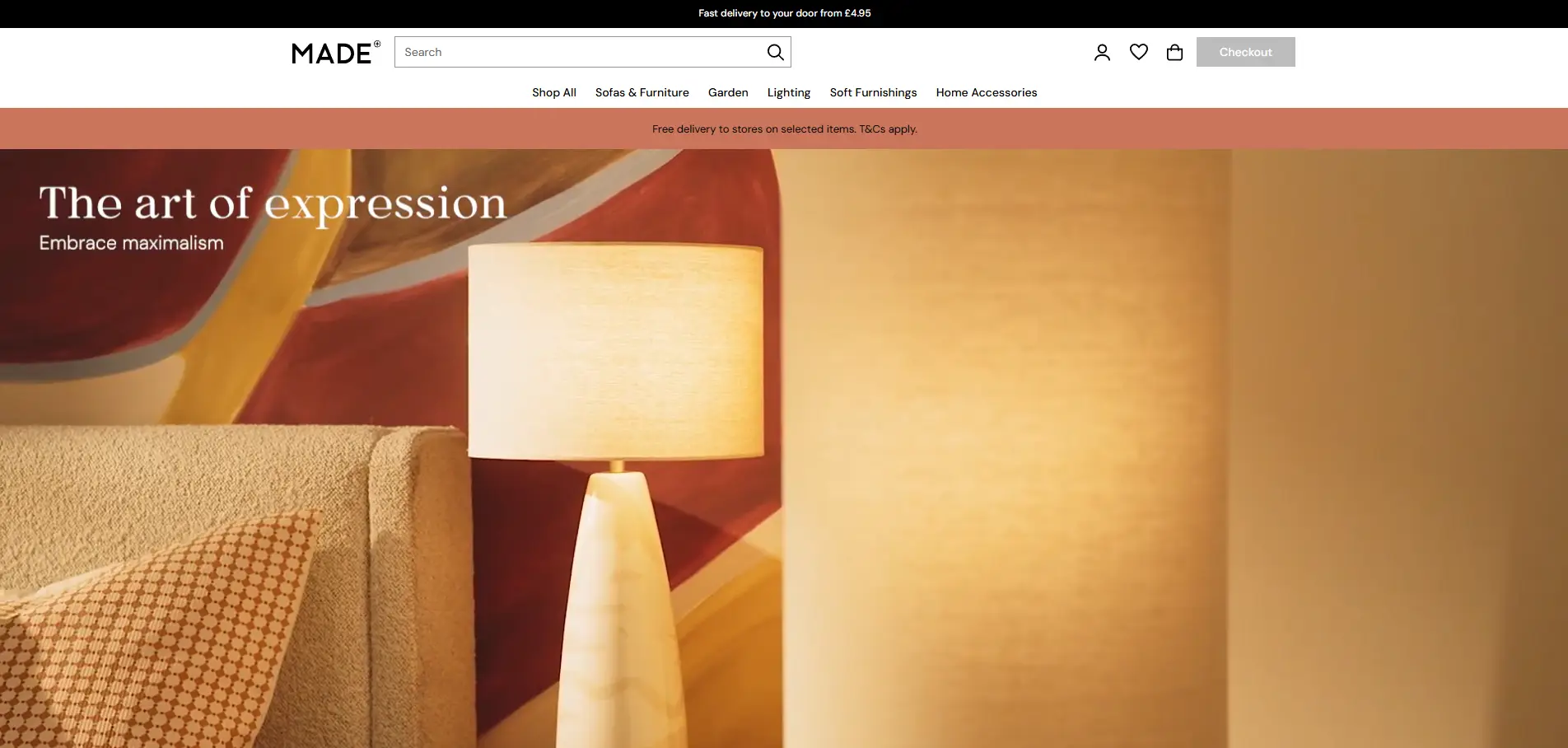
Made.com enhances the online furniture shopping experience with interactive features like 3D product views and interior styling inspiration. Its sleek design and modular layouts allow users to explore items in context, making complex products easier to understand and compare. This helps bridge the gap between digital convenience and tactile decision-making.
13. Dollar Shave Club
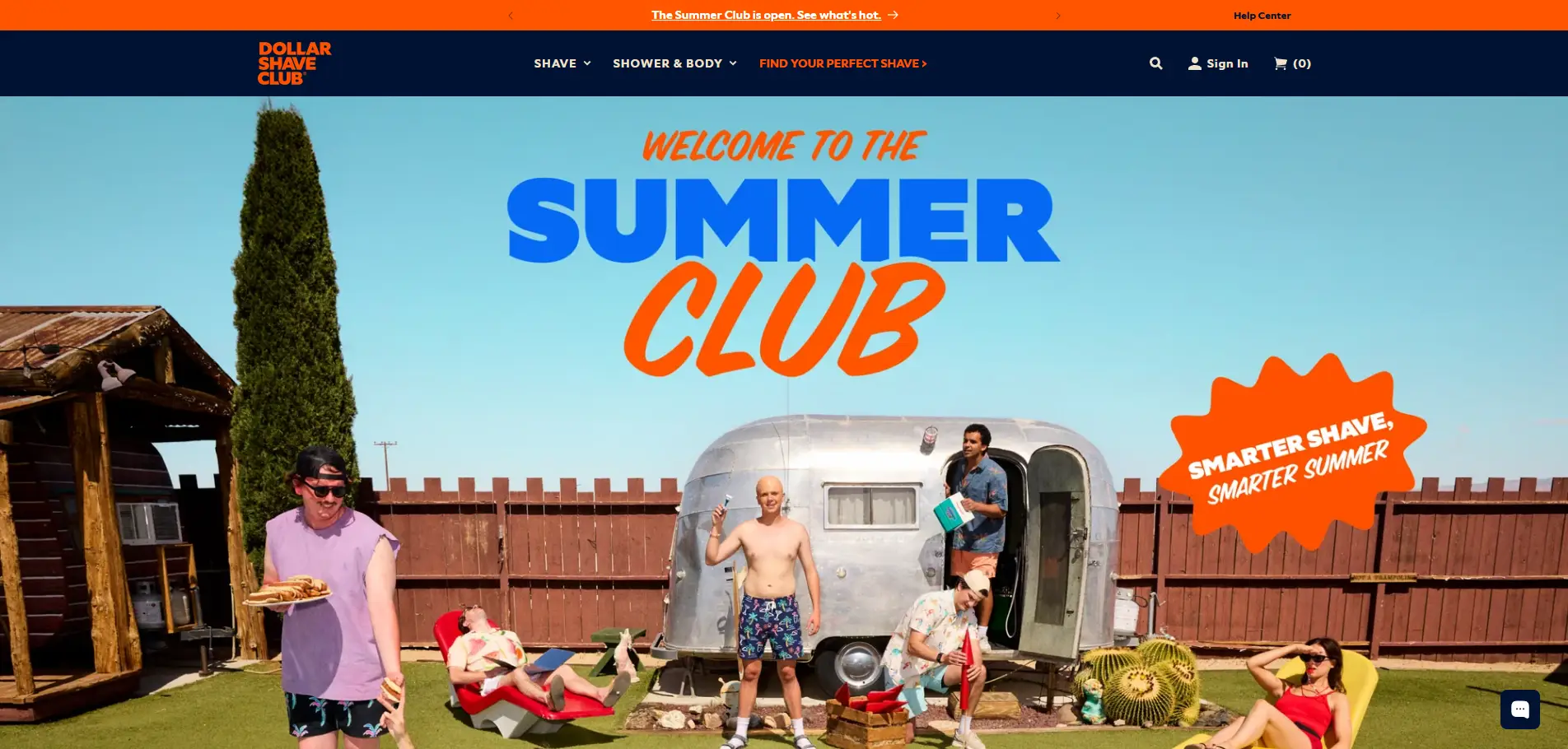
Dollar Shave Club’s ecommerce website design is bold, witty, and laser-focused on simplicity—perfect for the subscription box model. The homepage leads with a humorous tone and clear value propositions that instantly communicate what the brand offers. With minimal distractions, quick-loading product pages, and a streamlined checkout flow, the site removes friction and supports fast, commitment-free conversions
14. Uniqlo
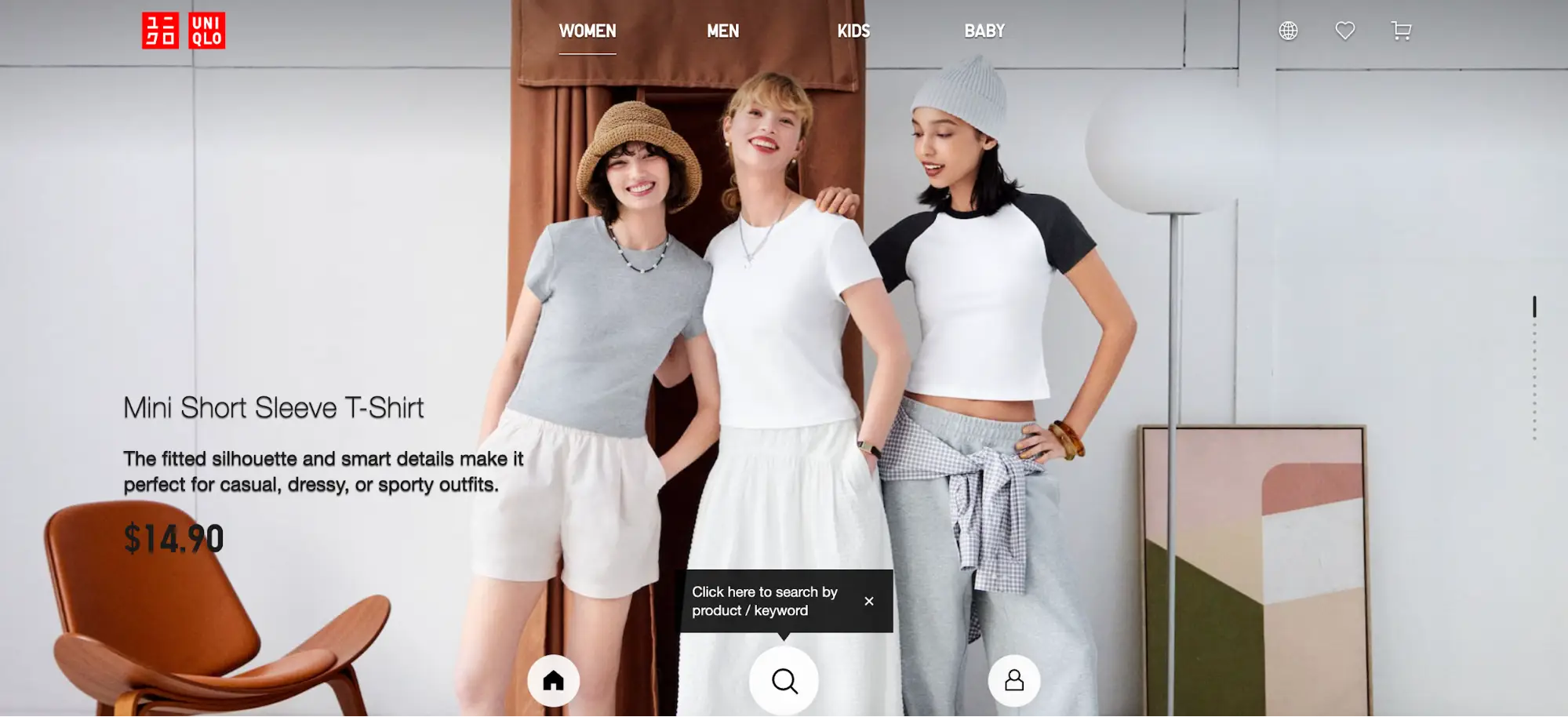
Uniqlo’s website design reflects its brand philosophy of simplicity, functionality, and accessibility. The design is clean and well-structured, with a clear focus on product categorisation and high-quality visuals. Overall, the design aligns with the brand’s goal of delivering everyday essentials with ease and efficiency.
15. Lush
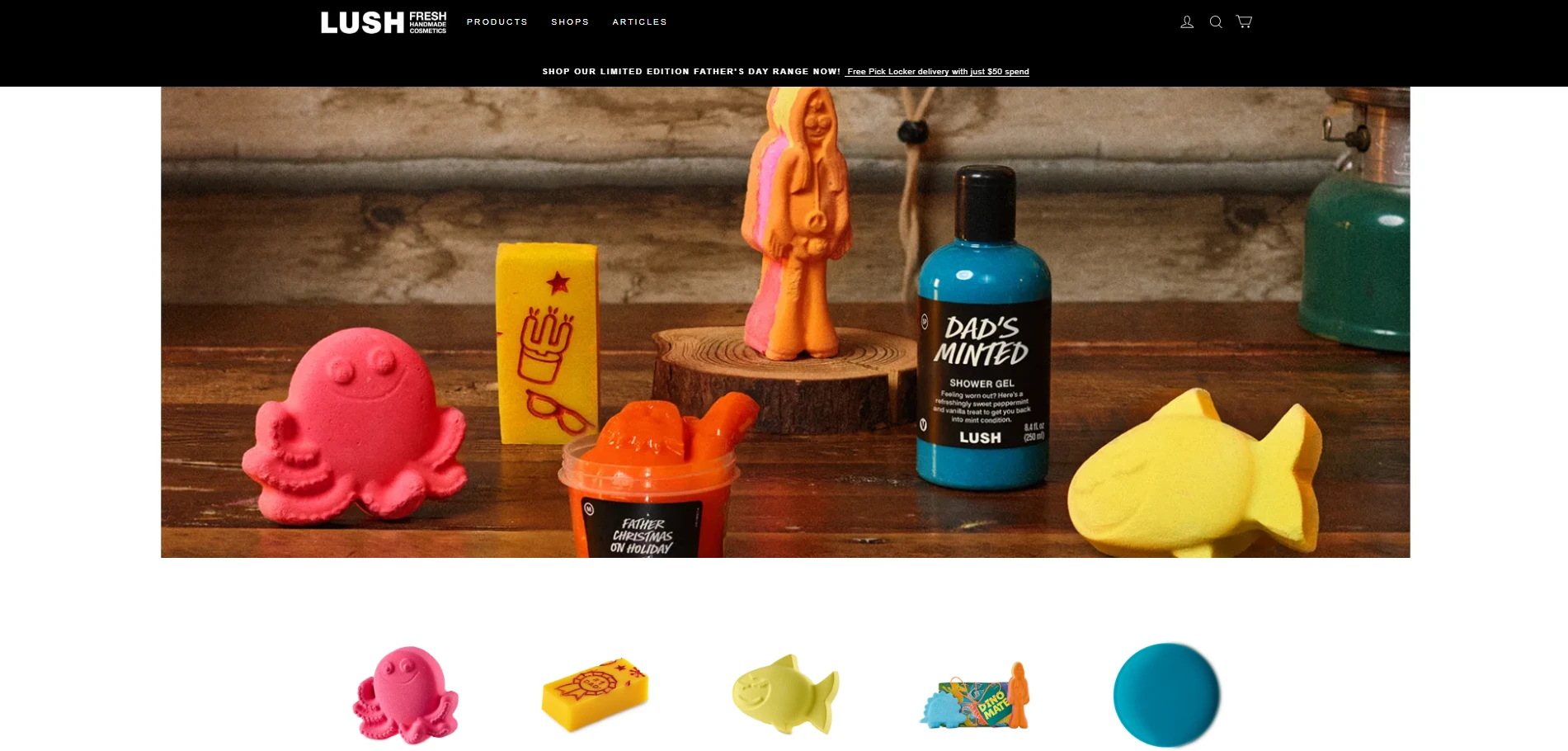
Mirroring the brand’s sensory and ethical identity, Lush incorporates bright visuals, bold product photography, and visible ingredient transparency into their website. The design is playful yet purposeful, supporting the beauty industry’s need to appeal visually while communicating sustainability and natural origins.
16. Nike

Nike’s website brings the energy and innovation of its sportswear brand to life through immersive UX. The design features bold typography, dynamic product pages, and interactive storytelling that showcase product benefits and athlete endorsements. Personalisation tools and a sleek mobile experience further support Nike’s position as a performance-driven brand for a global, tech-savvy audience.
17. Hiut Denim
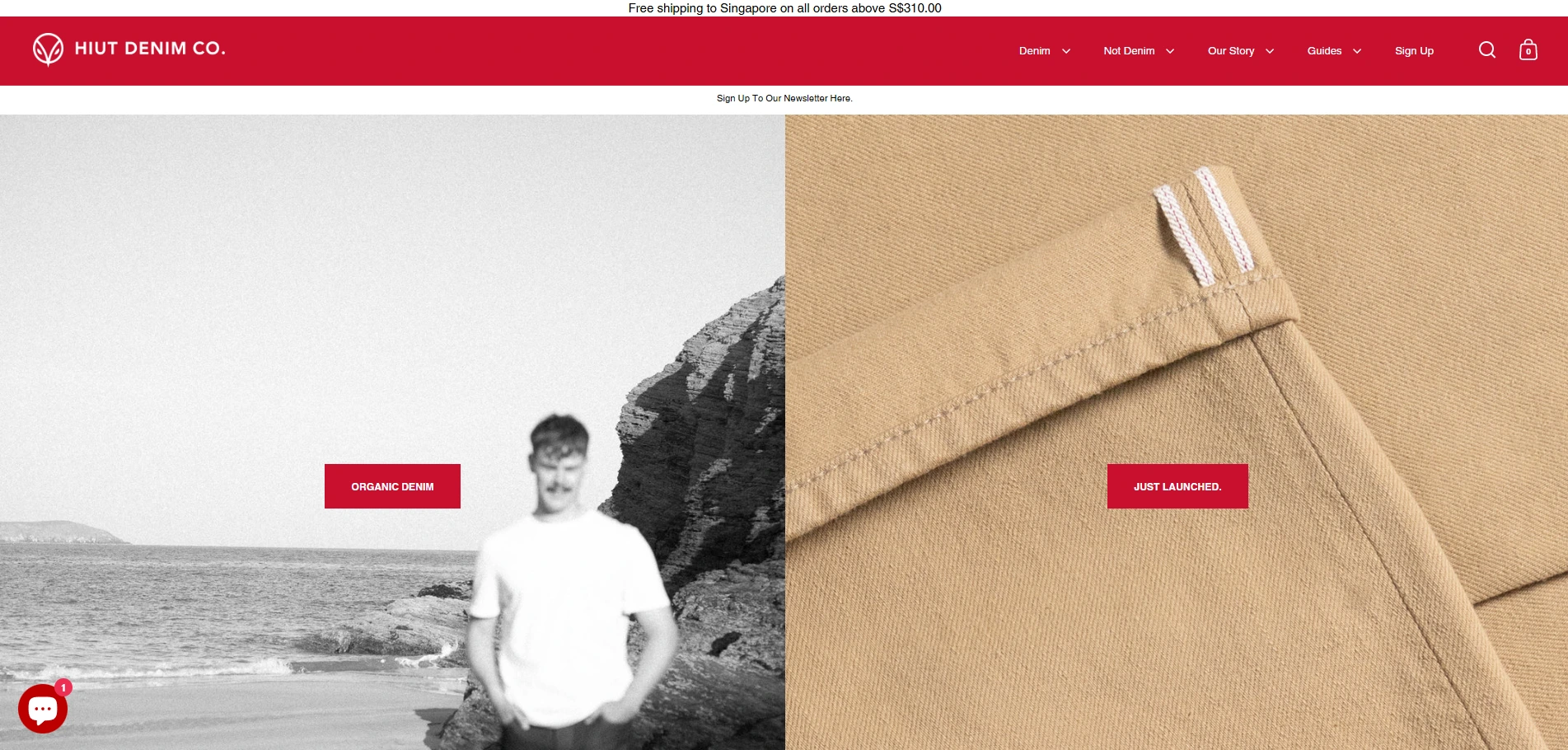
Hiut Denim stands apart through its storytelling-first approach that reflects the craftsmanship behind each product. The site uses spacious layouts, slow-scroll features, and behind-the-scenes content to spotlight heritage, quality, and purpose. This artisanal narrative aligns with the brand’s niche appeal in the slow fashion movement, resonating with consumers who care about authenticity and production values.
18. Greats
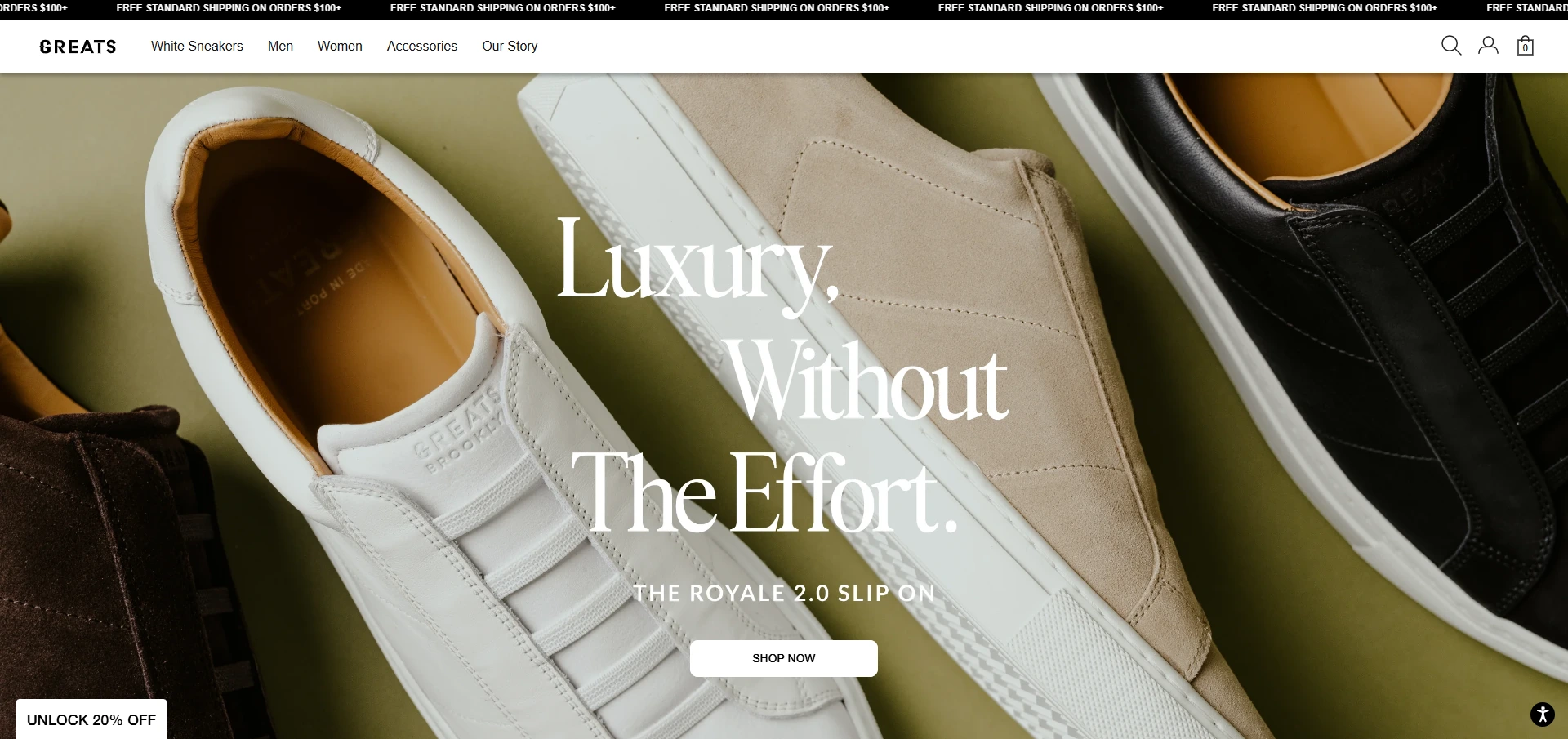
Greats delivers a premium footwear experience through a refined, product-centric design. The site uses neutral tones, minimal distractions, and large product imagery to let the shoes speak for themselves. By focusing on quality, function, and visual clarity, Greats meets the expectations of consumers seeking well-designed basics with a luxurious feel, without overwhelming them with excess branding.
19. REI
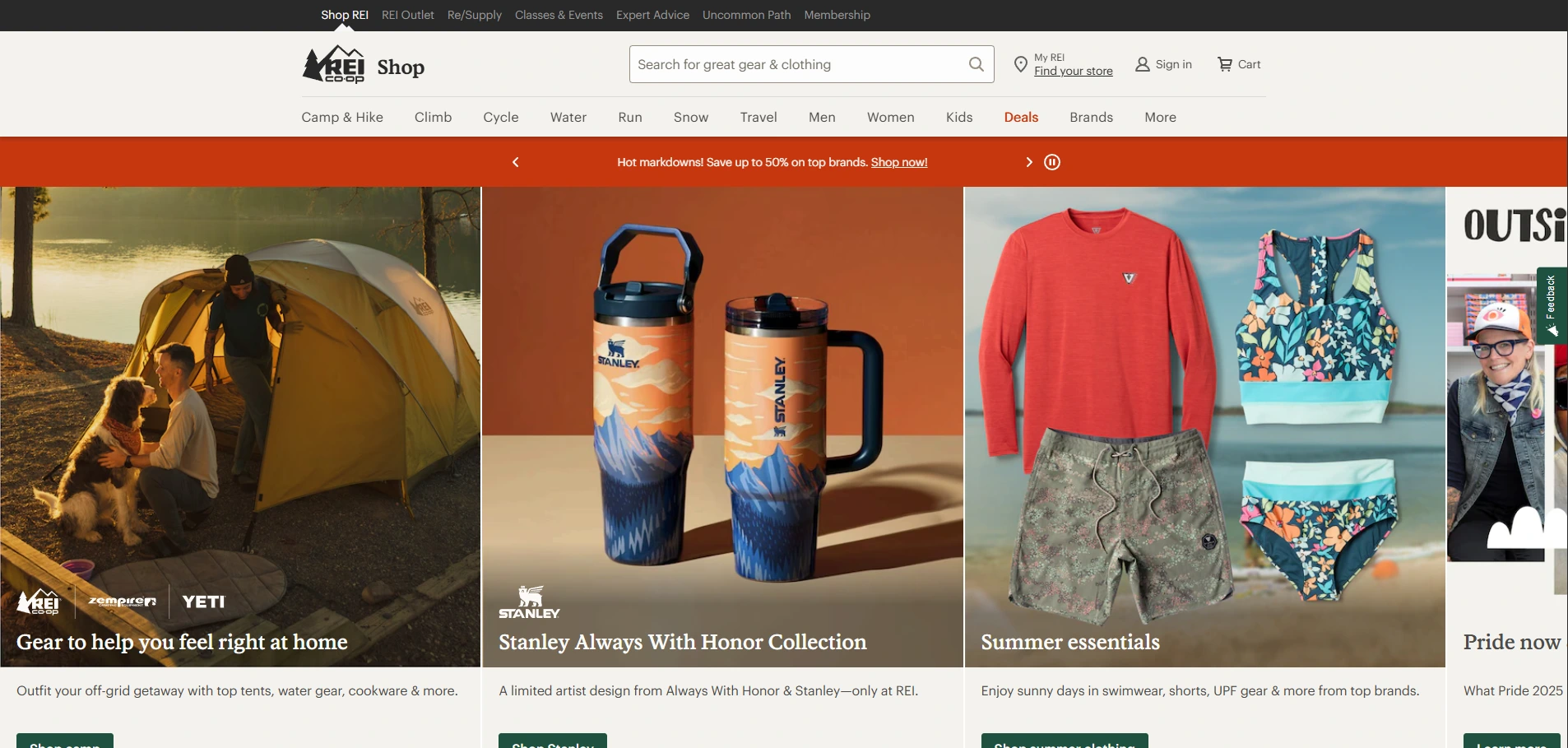
REI’s ecommerce platform blends commercial functionality with community and expert authority. The ecommerce web design includes detailed product reviews, expert advice sections, and real-user content, all wrapped in a robust yet approachable layout.
20. Figs
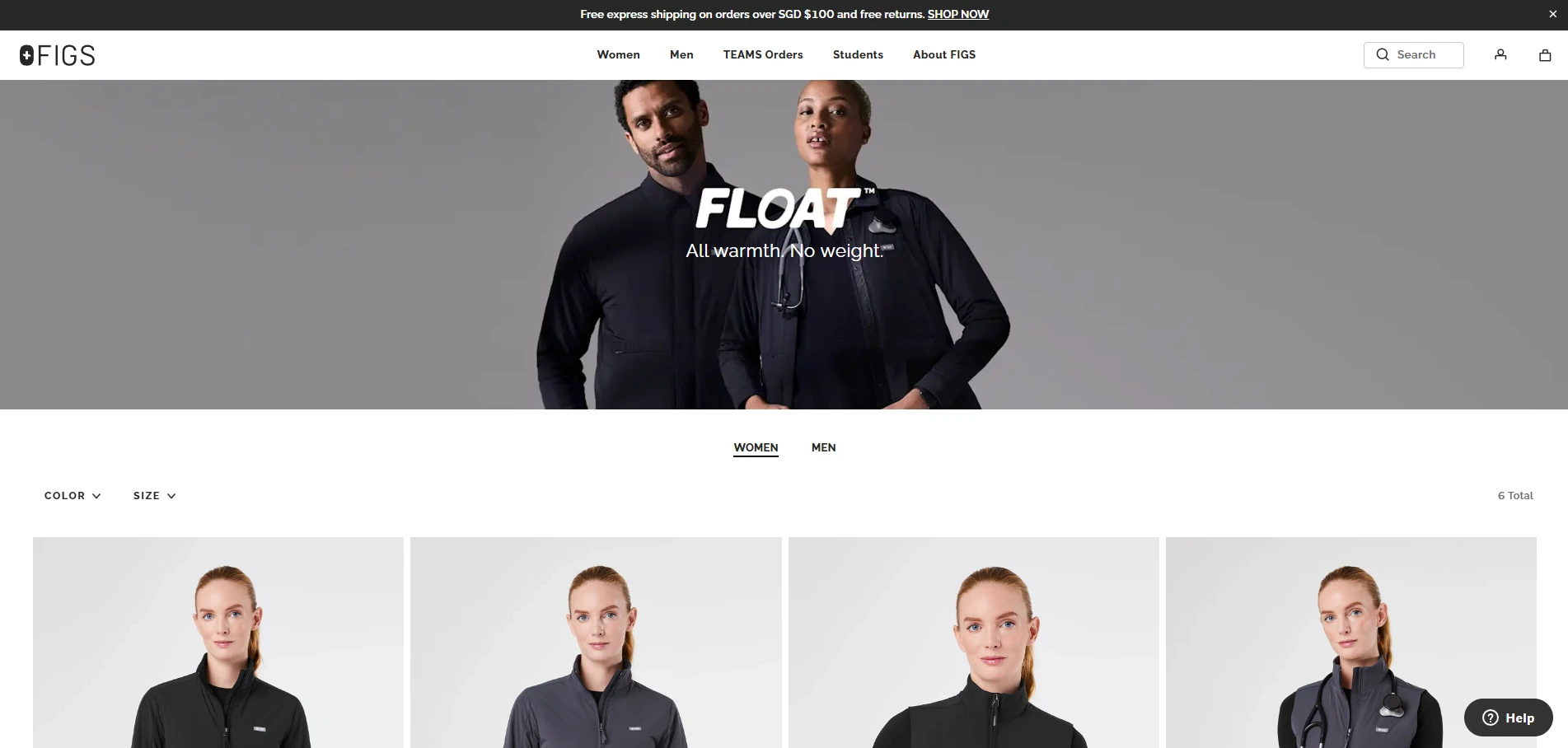
Figs targets healthcare professionals with a clean, professional ecommerce experience. The site uses high-quality images, minimalistic design, and a muted colour palette to reflect the precision and functionality of its products. With features like category-specific product filters and sizing guidance, Figs meets the niche needs of medical professionals looking for style, comfort, and reliability.
21. Leesa
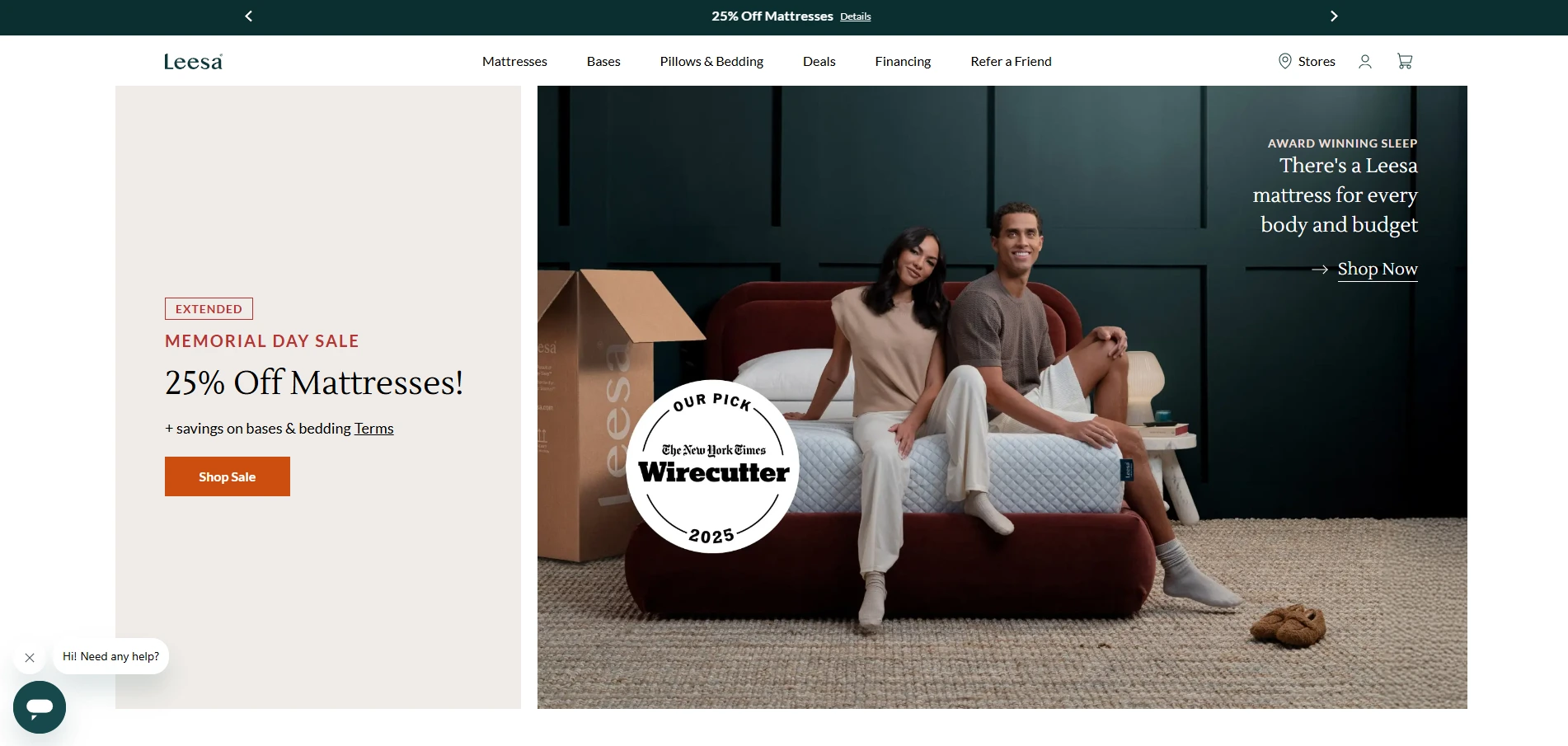
Leesa’s ecommerce website focuses on building trust and easing the complexity of high-ticket online purchases. Clean visuals, lifestyle imagery, and prominent trust signals (such as reviews and guarantees) create a calming, confidence-inspiring experience. The interface is designed to answer questions upfront, reducing hesitation and guiding users smoothly toward conversion.
22. Zara

Zara’s ecommerce site reflects the fast pace of its fashion cycles with a bold, visually striking interface. Its high-contrast visuals, full-screen layouts, and minimal product descriptions create a sense of urgency and trend-driven appeal.
23. Twelve South
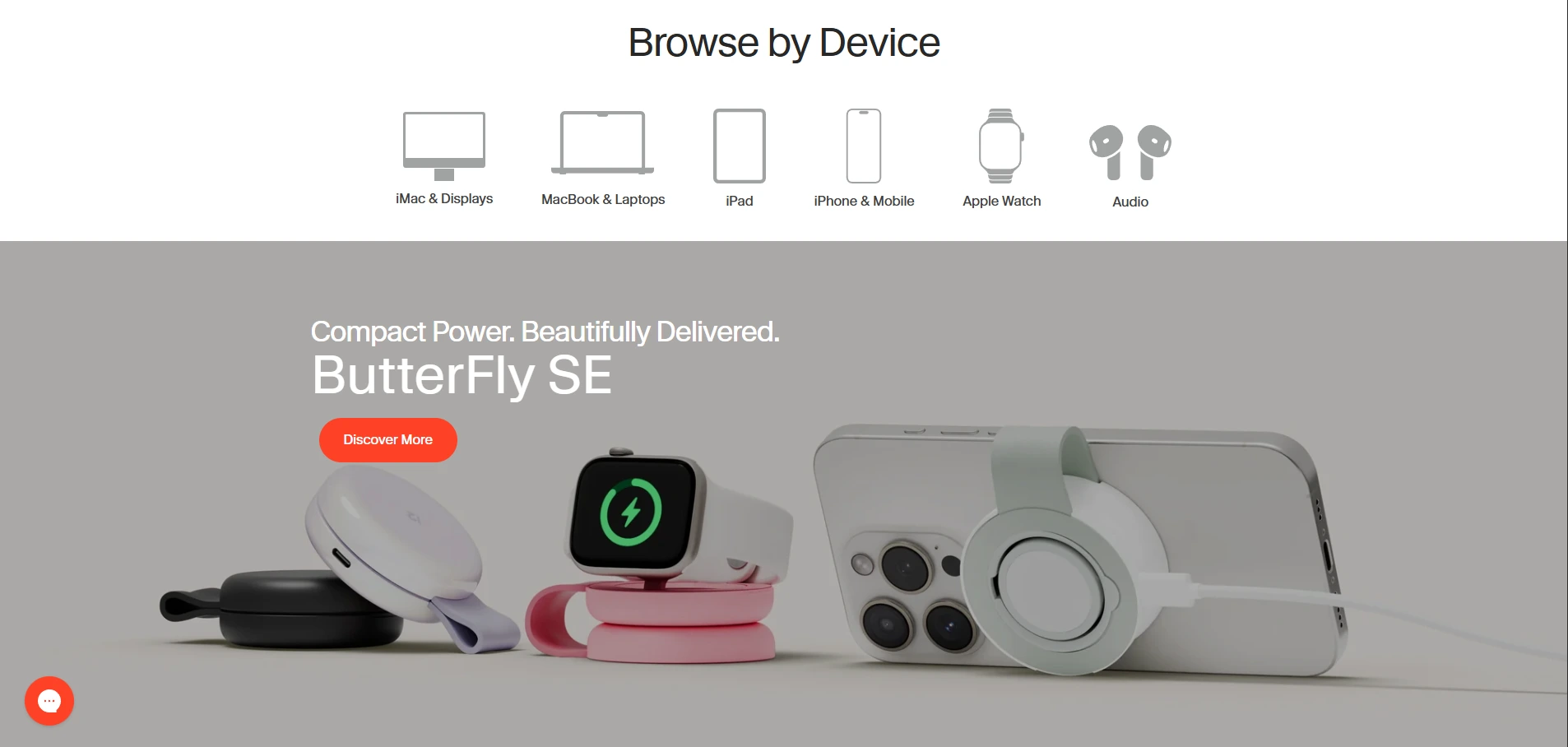
Twelve South’s ecommerce design draws inspiration from Apple’s aesthetic, featuring sleek product displays and refined storytelling. The site highlights form and function with close-up product shots, clear specs, and elegant page transitions. This design language appeals directly to Apple users looking for tech accessories that blend seamlessly into their digital lifestyle.
24. Ugmonk
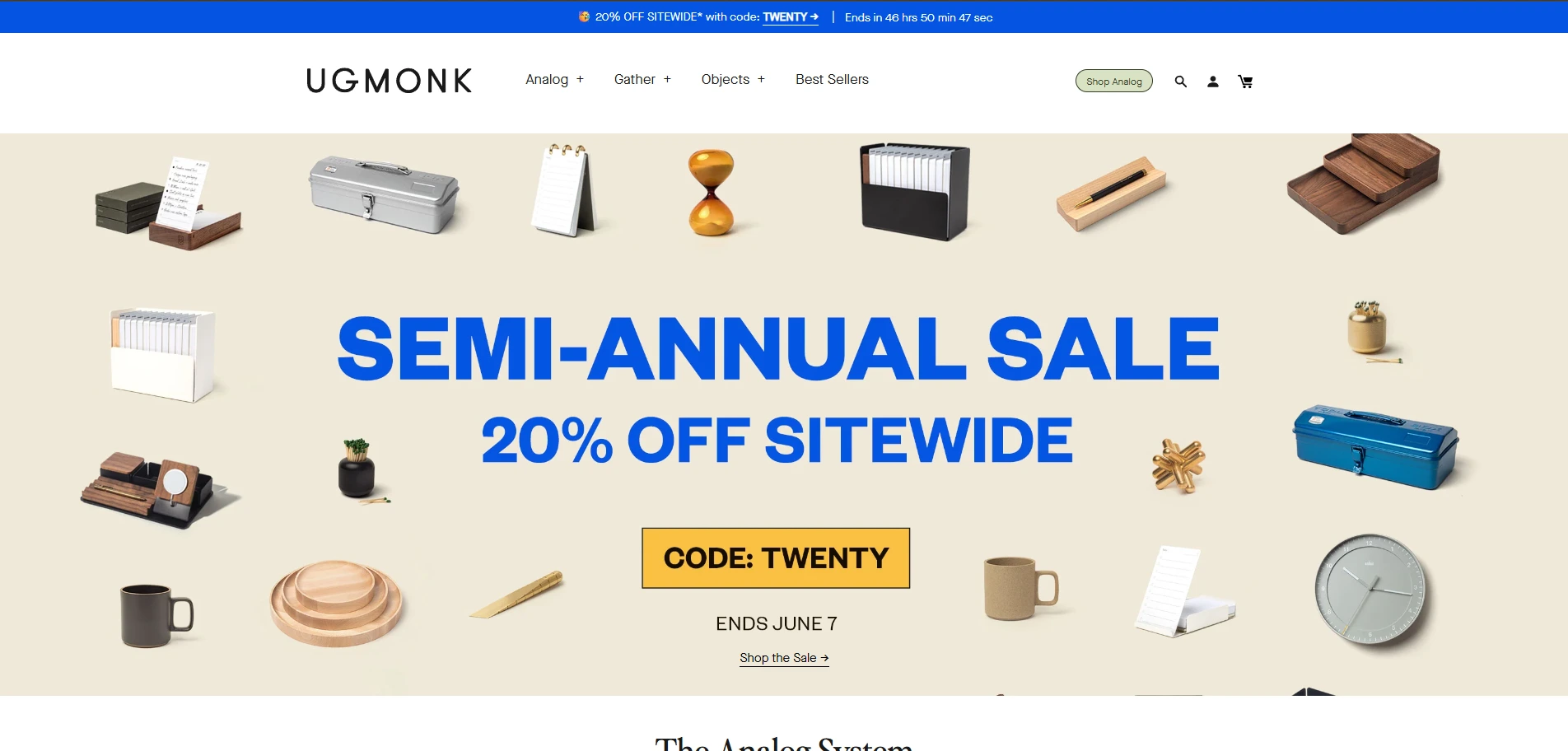
Ugmonk’s founder-led brand story takes centre stage in its ecommerce experience. The site features editorial-style layouts, meaningful product narratives, and a minimalist aesthetic that emphasises craftsmanship and intention. This fosters a strong emotional connection with users, appealing to those who value design philosophy and purposeful living.
25. Native Union
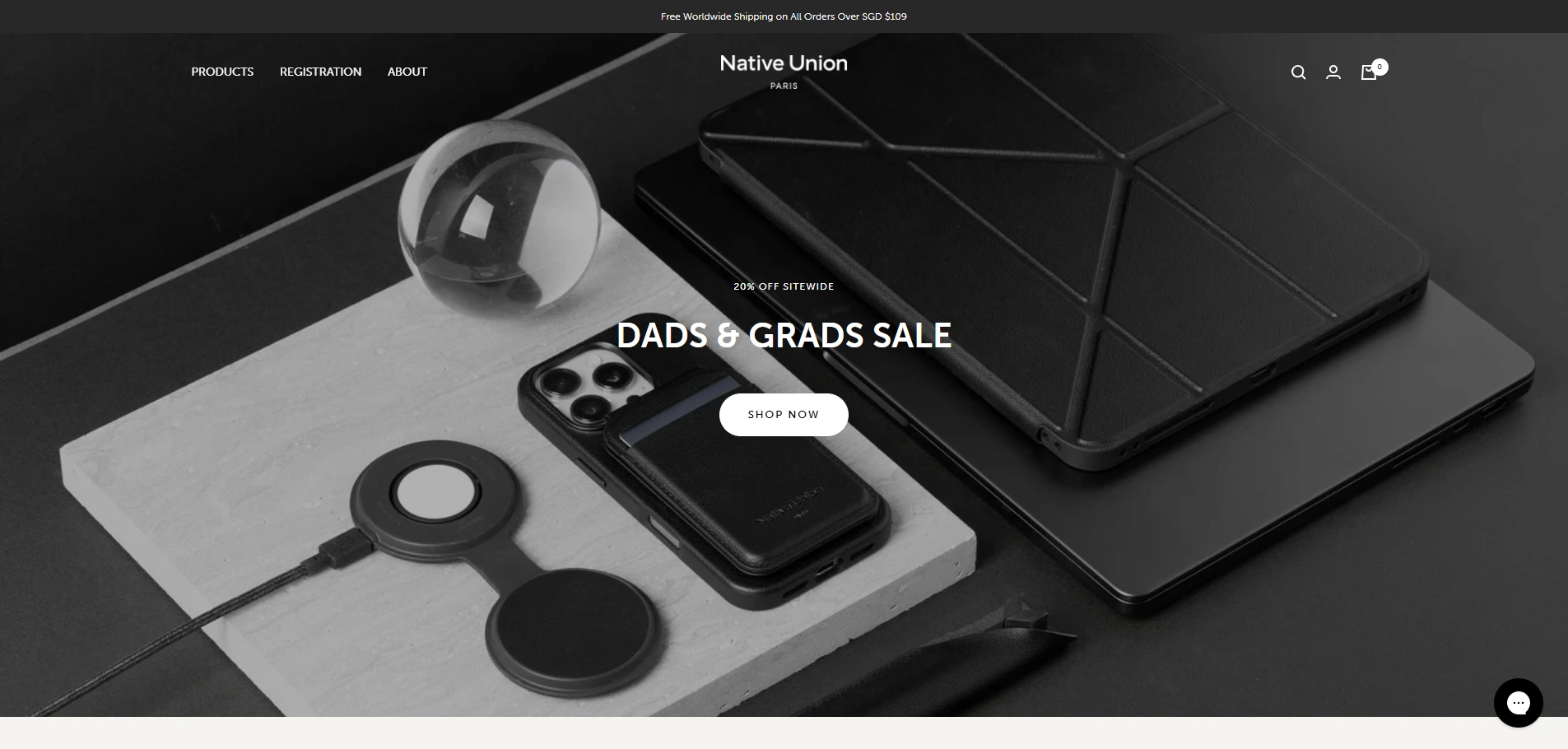
Native Union positions its tech accessories as premium lifestyle products, and its design reflects that upscale branding. This ecommerce website design uses rich visuals, subdued colours, and aspirational photography to elevate everyday tech gear. With smooth UX and thoughtful storytelling, the site communicates innovation, quality, and modern utility in equal measure.
Key Takeaways from These Websites
Here are the key lessons marketers and businesses can take away from these ecommerce website designs:
- Keep It Simple and User-Focused: A clutter-free interface with intuitive navigation helps users find what they need quickly, reducing friction and improving the overall shopping experience.
- Use Strong Visuals and Storytelling: High-quality product images, videos, and brand narratives engage users emotionally and help communicate value beyond the product specs.
- Design With Mobile in Mind First: With most ecommerce traffic coming from mobile devices, responsive design and mobile-first layouts are essential for usability and SEO performance.
- Build Trust Through Layout and Content: Trust indicators—such as reviews, security badges, transparent policies, and clear CTAs—reassure users and play a key role in driving conversions.
How OOm Can Help With Your Ecommerce Website Design
At OOm, we specialise in ecommerce website design and development services that go beyond aesthetics—we build online stores that are made to convert. From intuitive UI/UX to SEO-optimised architecture, our team combines strategic design with technical expertise to help your brand grow and thrive in the digital space.
Ready to level up your online store?
Contact us for a free consultation or website audit.
Conclusion
Great ecommerce website design goes beyond visual appeal—it’s about delivering a seamless, engaging, and trustworthy experience that turns visitors into loyal customers. By analysing these 25 examples and what they bring to the table, you can uncover proven design strategies that drive results. From mobile-first layouts and bold storytelling to fast-loading pages and intuitive UX, these brands offer valuable lessons for any online business.